You may wonder why it could appear that I'm often focused on reporting on the wealthy. I think most don't realize that being wealthy in the US isn't merely for billionaires. Americans generally define being wealthy as having an average net worth of $2.3 - 2.5 million. However, only about 38 million Americans - less than 30% - have a net worth of $500k or more. And the vast majority of people who buy and sell homes would be deemed wealthy by this metric alone. A recent Morning Consult report on the habits of the wealthy produced some insights that may apply to our world:
- The Young Wealthy, those under 40 earning $200K+ - are more racially diverse, more status driven, less invested, and more inclined to spend conspicuously than their older peers.
- High income consumers are a distinct demographic, not just a wealthier version of everyone else. They are 64% male, 71% married, 78% college educated, and 87% homeowners, dramatically outpacing the US population.
- They cluster in suburban areas and are far less likely to live in rural areas. They are 33 percentage points more likely to own their homes (87% vs. 54%).
- Among Americans under 40 earning $200k+, 63% say they strive to achieve high social status, compared to just 32% of those 40 and over at the same income. More striking, 53% of the Young Wealthy say they "like to live a lifestyle that impresses others," versus only 26% of their older peers.
- The Older Wealthy are 83% white, 10% Hispanic, and 5% Black. The Young Wealthy are 68% white, 23% Hispanic, and 15% Black, a profile that looks far more like the broader American population.
- The $200K+ demographic exhibits distinctive values that shape their consumption patterns and brand relationships.
- Control and Agency: High earners express a significantly greater sense of control over their futures. This manifests as confidence in decision making, goal setting behavior, and competitive drive (71% vs. 59%).
- Quality Over Price: A defining characteristic of this demographic is their willingness to pay premium prices for quality and convenience.
- Early Adoption and Innovation: High earners are 16 percentage points more likely to be among the first to try new technology products.
- Status and Social Connection: 44% strive to achieve high social status, and 38% like to live lifestyles that impress others.
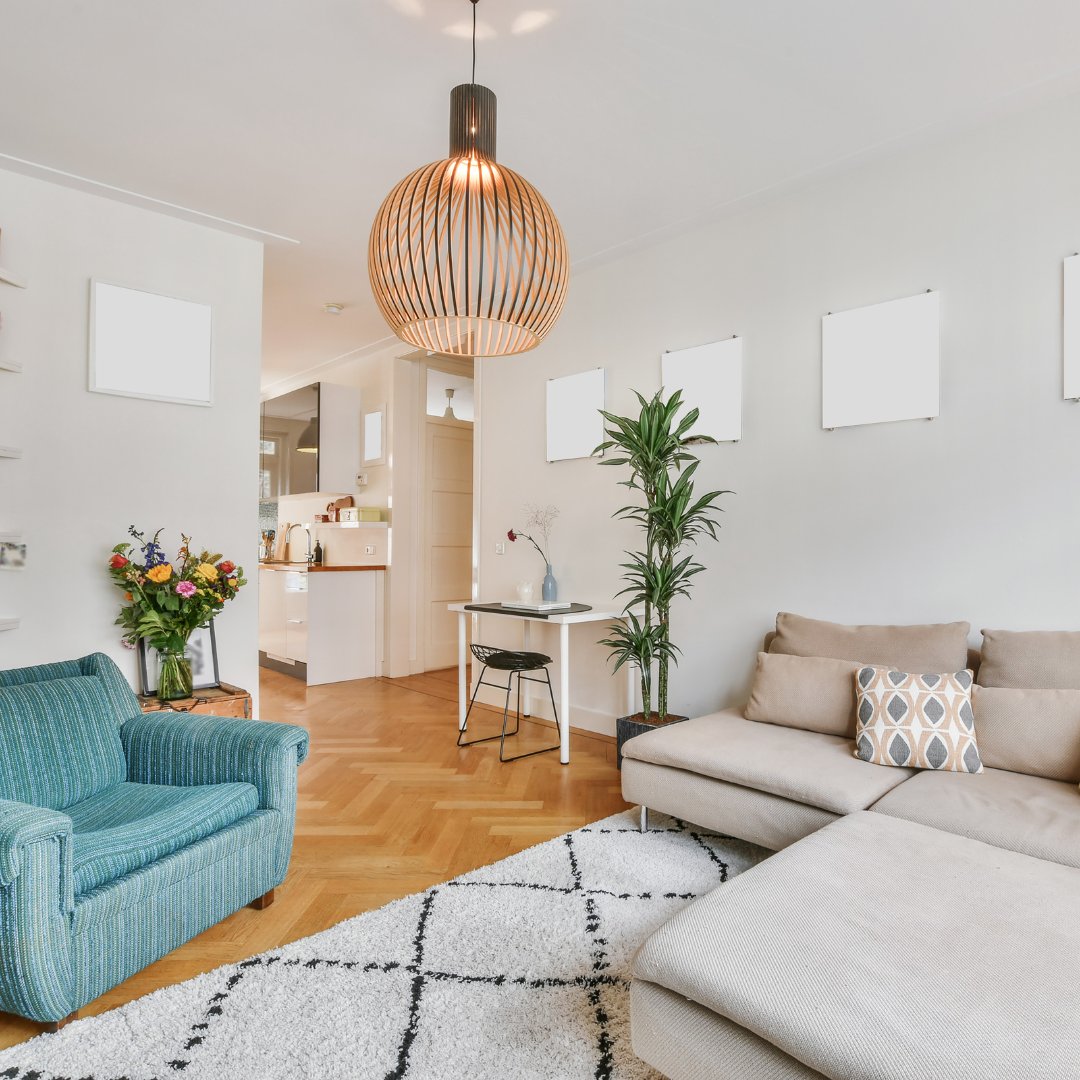
A key takeaway. If a home does not deliver an aspirational look and feel today, it is unlikely to capture the hearts or wallets, of almost 40% of those viewing it.