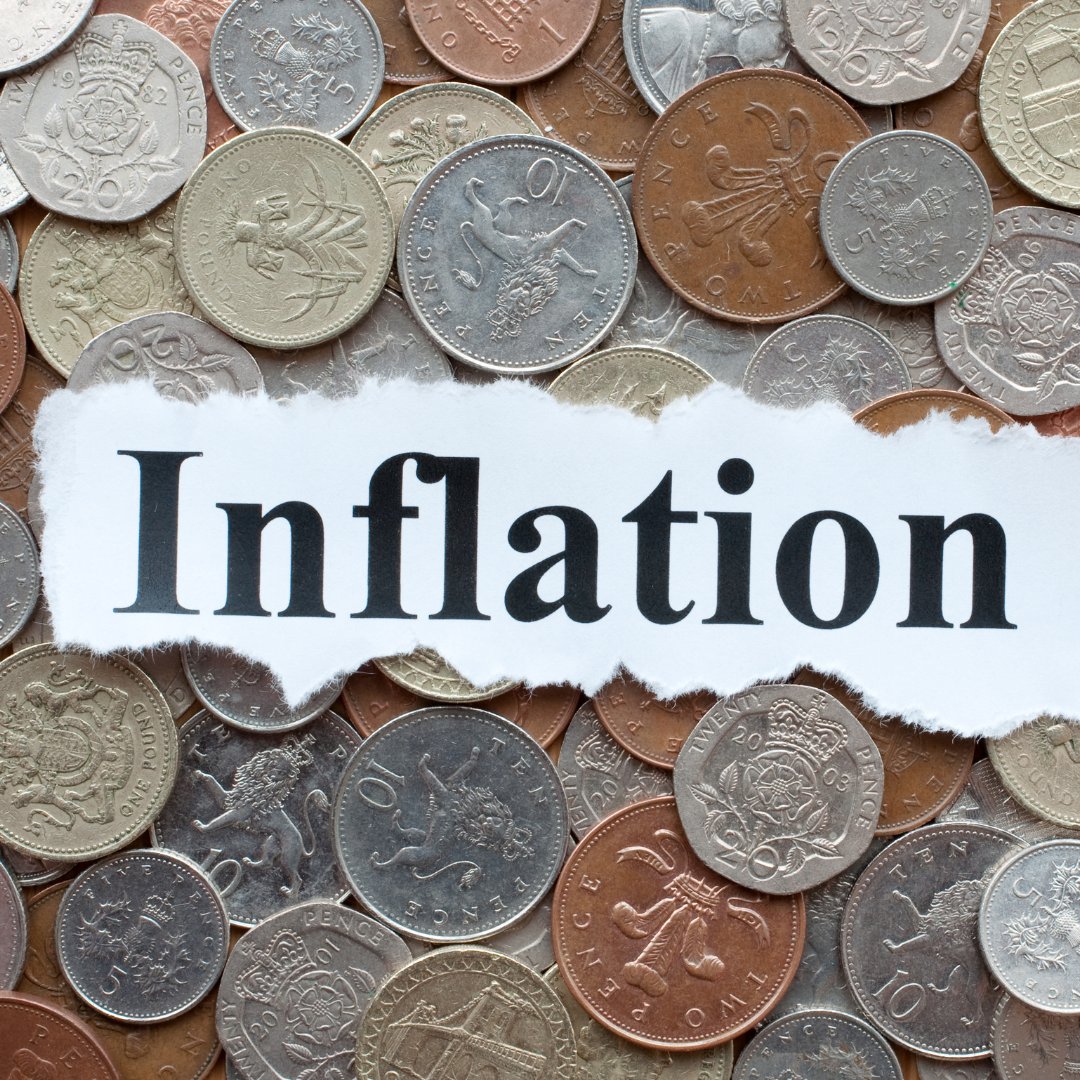
While the Federal Reserve and most economists and finance pundits (not to mention most politicians), officially aim for a 2% inflation rate for long-term stability, many economists and data suggest that a 3% rate may be the new level. It balances supporting economic growth with lowering recession risks, despite causing slightly faster erosion of purchasing power.
Until 2025, we were told repeatedly that 2% is the target, that 3% was too high. The reality is that 3% inflation takes $100 to $134 over a decade. 2% takes this to just about $122. As long as we enter this next phase of "new normals" clearly aware of the direct consequences.
Here are some arguments for 3% inflation and why it might be better:
1. It can reduce Recession Risk: A higher target reduces the risk of hitting the "zero lower bound" on interest rates during economic downturns, allowing for better policy flexibility.
2. Realistic Target: Given current economic trends (2025-2026), inflation has been "sticky" near 3%, making it a more practical target than an ambitious, hard-to-reach 2%.
3. Economic Cushion: It may provide a better buffer against deflationary pressures without sacrificing too much growth.
Ken interprets market data, staying in constant communication and offering valuable insight that then translates into an informed decision.
Contact UsCompass
1643 N Milwaukee Avenue Chicago, IL 60647