There are multiple areas around the world where housing costs have soared so far that many simply cannot afford to live there anymore. The primary driver of this, besides wages not keeping up with rising costs, is scarcity. I am always fascinated, though, when walking through Manhattan, to see the number of tiny buildings nestled between big ones and yes, even large, open lots.
Places such as Manhattan and Palm Beach are obvious examples of specifically limited space as they are (mostly) surrounded by water. Often though, it is the huge demand for the ultra-prime areas that fuels this perception. In Manhattan alone the Municipal Art Society estimates there is about 1.8 Billion square feet of unused development rights in residential zones, enough to build around 1.5 million 1,200sf apartments. 95% of the US (about 1.9 billion acres) is open, unbuilt land but I imagine lots of this opportunity exists in areas that many would prefer not to live in.
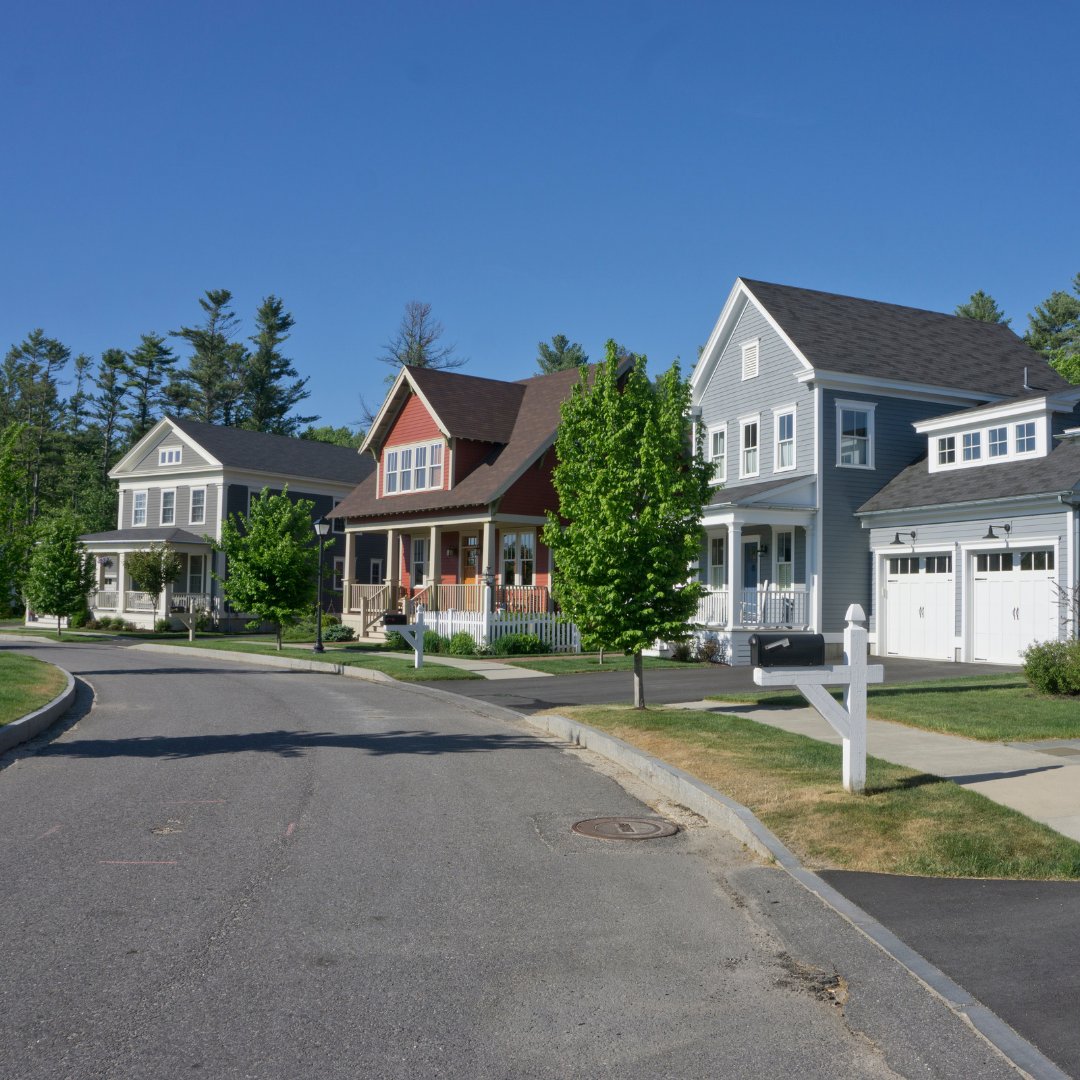
Single family homes that require XYZ acres based on current zoning also limit the development of more homes. Many areas are revising zoning laws to allow more density, yet the demand for a single family home with a yard is as strong as ever and many first time home buyers simply don't want an apartment or attached townhouse. But should areas that require a 1-acre lot minimum succumb to the demands of society's needs for more housing and allow half-acres lots or smaller? Does this devalue existing homes?
New towns are being planned around the globe to address this need, basically starting from scratch or expanding small towns or suburbs where land is open and available. Will self-driving cars akin to moving living rooms or offices resolve the biggest issue, long, unproductive, boring commutes?
Living "way over there" may be affordable, but that is usually only when ignoring the cost of time and aggravation for lengthy commutes. The areas with extremely restrictive zoning and minimal building opportunity in prime locations have the capacity to soar in value. Much more so now as new wealth is being created and fueled, and the $120 trillion of generational wealth moves down to younger generations.
Limited zoning is a curse of affordability, but may also be the ultimate value-growth driver.
Ken interprets market data, staying in constant communication and offering valuable insight that then translates into an informed decision.
Contact UsCompass
1643 N Milwaukee Avenue Chicago, IL 60647